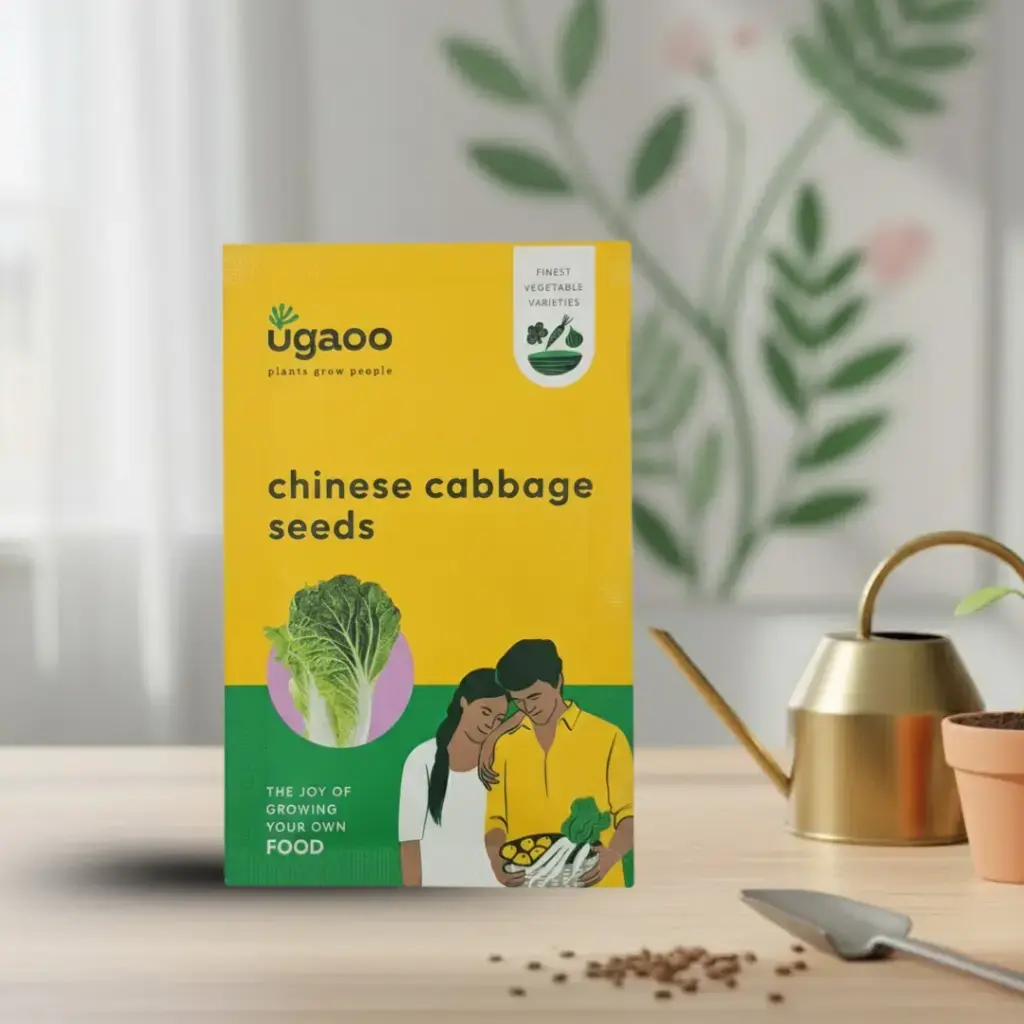



Growing Chinese cabbage in containers is totally doable—even in Indian climates! Here's a complete, easy-to-follow guide for container gardeners:
Best Time to Sow
Ideal season: Winter months — October to February
Prefers cool weather (15–25°C) and may bolt (flower early) in hot climates
Container
Use containers that are 12–15 inches deep and wide enough for proper spacing
Ensure good drainage holes
Soil Mix
Loose, nutrient-rich, and well-draining soil is key
Recommended mix:
40% garden soil
30% compost/vermicompost
20% cocopeat
10% sand/perlite for drainage
Add a handful of neem cake powder to prevent root pests
Sowing the Seeds
Sow seeds 0.5 cm deep, spaced 4–6 inches apart (or sow and thin later)
Water gently and keep soil consistently moist
Germination occurs in 5–8 days
Sunlight
Requires 4–6 hours of sun per day
In hot regions, partial shade during midday heat helps prevent bolting
Watering
Keep soil evenly moist but not soggy
Water at the base of the plant
Mulch with dry leaves or straw to retain moisture and keep soil cool
Feeding
Start feeding 2–3 weeks after germination:
Use liquid compost/seaweed solution every 10–15 days
Or top dress with compost every 2 weeks
Thinning & Spacing
Thin seedlings to about 8–10 inches apart when they are 2–3 inches tall
This gives each plant space to form a proper head
Pest Control
Watch for aphids, caterpillars, and snails
Spray neem oil (weekly) or use homemade garlic-chili spray
Use netting if you see white moths (they lay eggs for cabbage worms)
Harvesting
Ready to harvest in 60–75 days
Harvest the whole head when firm and well-formed
For loose-leaf types, you can harvest outer leaves as needed
